Language: English












Strengthening Concrete Box Girder Bridge
Using Prestressed CFRP Plate
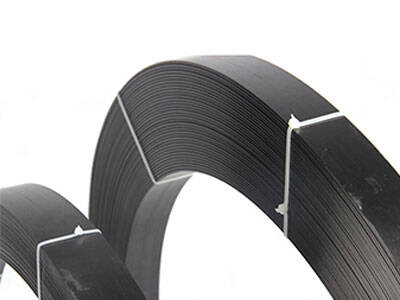
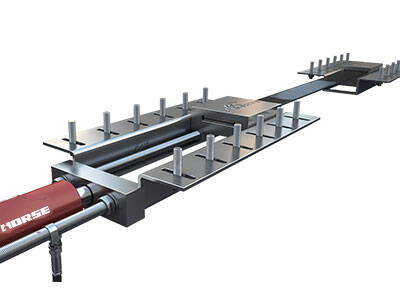
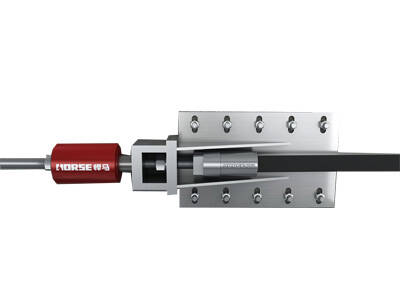
Prestressed CFRP plates are installed on the box girder soffit to provide additional flexural capacity. The prestressing introduces compressive stress into the concrete, counteracting the tensile stresses that caused the original cracking.

Project Overview
| Item | Detail |
|---|---|
| Structure Type | Multi-span continuous concrete box girder highway bridge |
| Issue Identified | Longitudinal and transverse cracking on box girder soffits across multiple spans |
| Strengthening Solution | Two-stage intervention: crack injection repair followed by prestressed CFRP plate application |
| Scope | Multiple parallel girders strengthened along full span length |
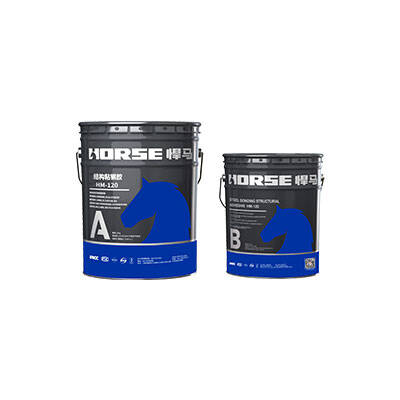
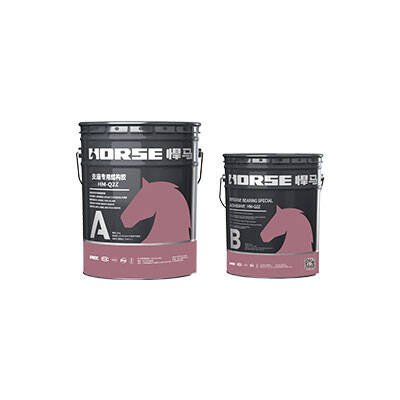
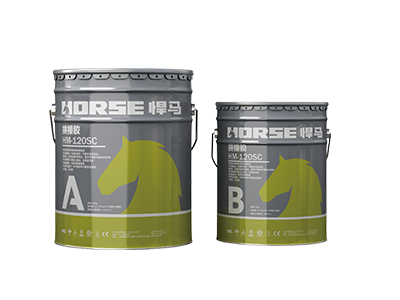
| Materials Supplied by Horse Construction | Crack repair epoxy injection adhesive + Prestressed CFRP plates with anchorage system |
Concrete Cracks
The structural inspection identified cracking across multiple girders and spans:
Location: Box girder soffits (bottom surfaces), primarily in mid-span regions and near internal diaphragm locations
Orientation: Transverse cracks perpendicular to the longitudinal axis, with longitudinal cracking along the soffit surface
Distribution: Cracking observed across multiple parallel girders, indicating systematic stress-related causes rather than isolated defects
Severity: Fine to moderate crack widths, consistent with flexural tensile overload and long-term fatigue accumulation
Reason of Cracks
The widespread cracking pattern across multiple girders indicates:
Flexural tensile stresses exceeding concrete tensile capacity at the box girder soffit in positive moment regions
Service load accumulation from years of traffic loading, potentially combined with increased traffic volumes beyond original design assumptions
Thermal and shrinkage stresses from temperature gradients across the box section
Long-term fatigue from repeated traffic loading cycles
Strengthening Strategy
Stage 1 — Crack Repair
Before any structural strengthening is applied, the existing cracks must be sealed and the concrete cross-section restored to monolithic behavior. Open cracks compromise the bond between the concrete and any externally applied strengthening material, and they allow moisture and contaminants to continue attacking the internal reinforcement.
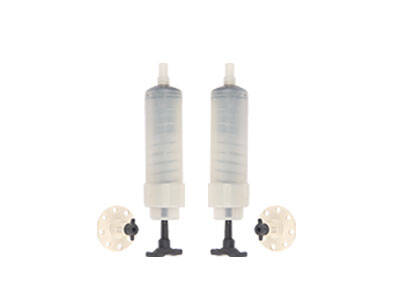
Crack repair was carried out using low-viscosity epoxy injection adhesive, applied through a port-based injection system:
Injection ports installed along each crack at regular intervals
Surface sealing applied to close the crack face and create a sealed channel for injection
Epoxy injection performed under controlled pressure, filling the crack from the deepest point outward
Port removal and surface finishing after adhesive curing

Stage 2 — Prestressed CFRP Plate Installation
Once the concrete section is restored, prestressed CFRP plates are installed on the box girder soffit to provide additional flexural capacity. The prestressing introduces compressive stress into the concrete, counteracting the tensile stresses that caused the original cracking.
The CFRP plates are tensioned before being bonded to the concrete soffit. This prestressing action:
Introduces compressive stress into the concrete soffit, counteracting the tensile stresses from service loads
Closes existing micro-cracks that may not have been visible during inspection
Reduces deflection of the box girder under load
Increases the load-carrying capacity of the girder beyond its original design capacity
Delays or prevents new crack formation by keeping the concrete in compression under normal service conditions

Materials Supplied by Horse Construction
For this project, Horse Construction supplied the complete material system for both strengthening stages:
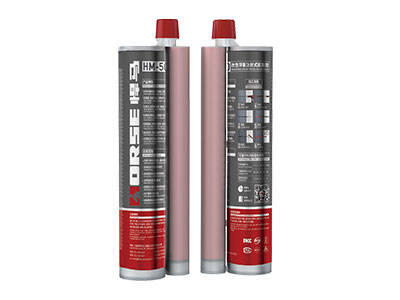
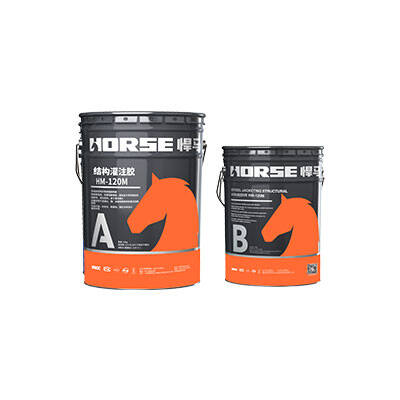
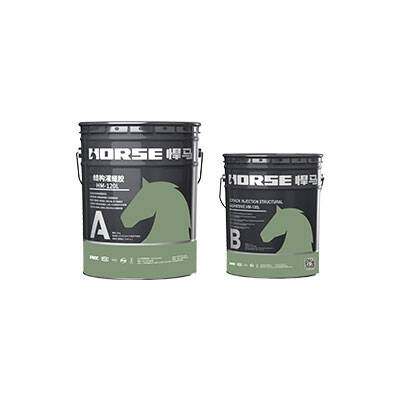
Crack Repair Epoxy Injection Adhesive — low-viscosity structural epoxy for restoring concrete monolithic behavior
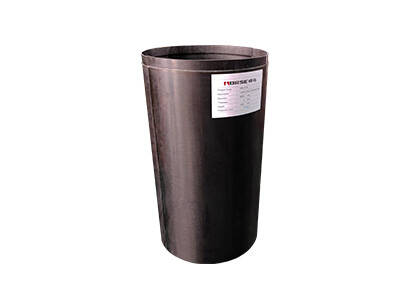
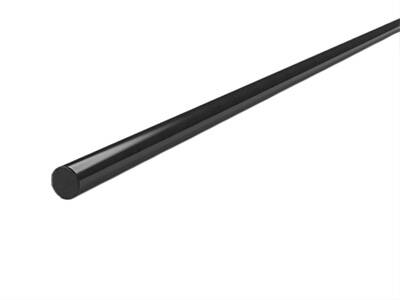
Prestressed CFRP Plates — high-strength pultruded carbon fiber plates for flexural strengthening