Language: English













Seawater Pumping Station Rehabilitation for Oil & Gas
Marine Infrastructure Strengthening | Seawater Pumping Station Rehabilitation for Oil & Gas
Rehabilitation of a seawater pumping station in Algeria serving an oil & gas facility: FRP pile jackets, CFRP tank strengthening with protective coating, and deck repair followed by strengthening — all on a live marine asset.

Project Overview
This project involved the structural strengthening of a piece of critical marine infrastructure: a seawater pumping station in Algeria serving an oil & gas installation.
Problems of Marine Infrastructure
Marine infrastructure rarely fails suddenly — it degrades steadily, and a seawater pumping station lives exactly where degradation is fastest:
Chloride attack. Seawater chlorides penetrate the concrete cover and initiate rebar corrosion. Expansive rust then cracks and spalls the cover, accelerating the cycle — the classic deterioration mechanism of coastal and marine structures.
The splash and tidal zone. The piles sit in the most severe micro-environment of any marine infrastructure: repeated wetting and drying concentrates chlorides and oxygen at the concrete surface, exactly where the platform's load meets the sea.
Continuous duty. The station feeds an operating oil & gas facility. Water supply cannot be interrupted for long, so strengthening had to be planned around an asset that stays in service — phased, section-by-section work rather than wholesale demolition.
Load demands above the water. The deck carries heavy pump trains, piping, and maintenance loads. Where corrosion had reduced its capacity, simple patching was not enough — the deck needed to be repaired and then strengthened, restoring both section and structural capacity.
The Strengthening Scopes
1. Pile strengthening with FRP pile jackets
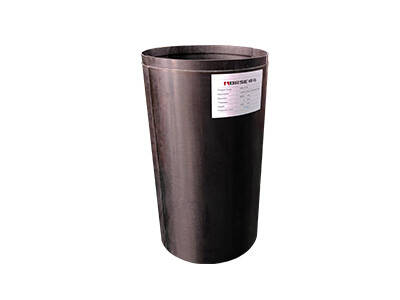
The reinforced-concrete piles supporting the pump platform had endured years of direct seawater exposure, with the splash zone driving chloride-induced corrosion of their reinforcement. They were strengthened using FRP pile jackets: fiber-reinforced polymer shells fitted around the pile sections, with the annular gap between jacket and concrete filled with grout.


The system addresses the structure and its environment at the same time:
Structural restoration. The grouted annulus reinstates the lost concrete section, while the FRP shell confines the pile and restores its load-bearing capacity;
Permanent protection. The jacket forms a continuous, corrosion-immune barrier that cuts off the supply of chlorides, moisture, and oxygen to the embedded steel. Unlike steel or concrete encasements, the FRP shell itself does not rust or degrade in seawater — a decisive advantage in the splash zone, where any barrier that needs future maintenance becomes a future liability;
Installation on a live asset. Because the jackets are lightweight and require no heavy plant, strengthening could proceed pile by pile around the operating station — essential for marine infrastructure that kept pumping throughout the program.
2. Tank strengthening and coating
Inside the station, the water-retaining concrete walls were strengthened with CFRP fabric applied in a bidirectional grid — the dark grid of carbon fabric visible across the tank walls in the project photos, working around large pipe penetrations that interrupt the wall surface. The fabric restores the wall's capacity to resist water pressure and structural action, while its immunity to corrosion makes it inherently suited to a permanently wet, chloride-laden marine environment. The strengthened surfaces were then finished with a protective coating, closing the concrete against further moisture and chloride ingress — the tank coating scope defined by the owner.


The combination is deliberate: CFRP provides the structural upgrade, the coating provides the environmental barrier, and neither interferes with the station's geometry or its large-diameter pipework.
3. Deck repair, then strengthening
The deck scope followed the sequence the owner's engineer specified: repair first, strengthen second.


Field photos document the repair phase: deteriorated concrete was removed back to sound substrate — workers on scaffolding scarifying the deck soffit, exposing aggregate and corroded reinforcement — followed by sprayed repair mortar application inside the pumping station, reinstating the lost section around the exposed rebar mesh. This is the unglamorous but decisive part of any concrete rehabilitation: everything applied afterwards depends on the bond and durability of this rebuilt substrate.
With the section restored, the deck was then strengthened to bring its capacity in line with the actual demands of the operating pump station — heavy rotating equipment, piping, and maintenance traffic above, aggressive marine exposure below.
After Strengthening
The completed program returned this critical marine infrastructure to reliable service with a substantially extended service life:
Platform piles encased in grouted FRP jackets — capacity restored and reinforcement permanently sealed against the sea;
Tank walls upgraded with corrosion-immune CFRP reinforcement and finished with a protective coating;
Deck capacity restored through proper section repair followed by targeted strengthening;
All work executed in phases on a live industrial site, without prolonged interruption to the facility's seawater supply.
Have a Similar Project? Talk to Us.
Horse Construction is a Shanghai-based manufacturer of structural strengthening materials, with two full product lines trusted on marine, industrial, and infrastructure projects in 100+ countries:
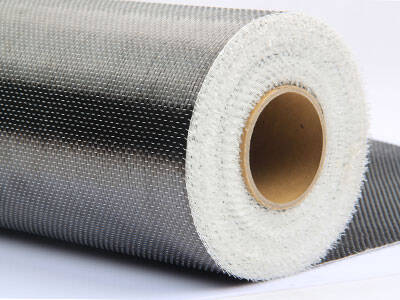
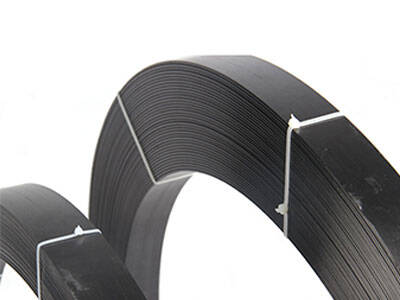
Carbon fiber systems — CFRP fabric, CFRP laminates, pre-stressed CFRP laminate systems, carbon rebars and tendons, with matched saturating epoxies;
Structural adhesives — steel-bonding adhesive, rebar-planting adhesive, crack injection and pouring adhesives, and segment joint adhesive.
If your project involves marine infrastructure, industrial facilities, or similar strengthening work, contact us — we will do everything we can to support you, from material selection to on-time delivery.