


 Language: English












Solutions
Horse Construction offers full range of structural strengthening materials with technical supports, documentation supports, products supports, project supports.
Strengthening Corrosion of Steel Reinforcement in Concrete

Steel reinforcement corrosion can cause volume expansion, which in turn can crack the concrete cover and reduce the load-bearing capacity of the structural members. Reinforcement must follow the principle of "first removing the corrosion hazard, then restoring structural performance," and involves three core steps: pretreatment, reinforcement construction, and post-reinforcement protection. Specific methods are as follows:
I. Pretreatment: Thoroughly eliminate the root cause of steel reinforcement corrosion
This is the foundation of reinforcement. If the source of corrosion is not treated, the subsequent reinforcement will quickly fail.
1. Defect Detection and Assessment
Detecting the extent of corrosion: Visual inspection (crack width, rust seepage points), concrete strength testing using the rebound hammer method, and rebar scanner location to pinpoint the rebar position and extent of corrosion.
Assessing the damage level of the component: Determining whether the corrosion is localized or widespread, and whether rebar replacement is necessary.
2. Removing the Corrosion Layer and Damaged Concrete
Remove cracked, loose, and peeling concrete cover until a solid concrete base is exposed. For corroded rebar, use a wire brush, angle grinder, or sandblasting to remove surface rust and scale, exposing the metallic luster.
If the rebar cross-sectional area loss exceeds 10%, or the corrosion depth reaches 1/6 of the diameter, the corroded section must be cut off, replaced with new rebar, and lap welded or mechanically connected.
3. Rust Prevention Treatment
Apply a rust inhibitor (organic or inorganic) to the surface of the derusted reinforcing bars to form a protective film and prevent further corrosion. If the environment is highly corrosive (e.g., coastal areas or chemical industrial zones), hot-dip galvanized or epoxy-coated reinforcing bars can be used to replace the original bars.
Clean the concrete substrate surface of dust and debris to ensure a firm bond between subsequent repair materials and the substrate.
II. Reinforcement Construction: Restoring and Enhancing the Load-Bearing Capacity of Components
Based on the degree of corrosion and component type, select the appropriate reinforcement method:
| Reinforcement methods | Applicable scenarios | Advantages | Disadvantages |
| Polymer mortar repair | For minor rust and cracked protective layer | Fast application, low cost | Suitable only for small-area damage |
| Strengthening by increasing the cross-section | Significant steel reinforcement loss and decreased load-bearing capacity | Long-lasting strengthening effect and significantly improved load-bearing capacity | Increases the structure's self-weight and cross-sectional dimensions |
| CFRP bonding reinforcement | Moderate corrosion, original dimensions must be preserved | Lightweight, easy to install, corrosion resistant | Requires high-quality substrate preparation |
| External prestressing reinforcement | Severely corroded, large-span components | Significant increase in load-bearing capacity | Complex process, high cost |
III. Post-reinforcement Protection: Preventing recurrence of corrosion
After reinforcement, long-term protection is necessary to prevent recurrence of corrosion:
Surface protection treatment: Apply a concrete anti-carbonation coating or water-repellent agent to the component surface to prevent corrosive media such as carbon dioxide and chloride ions from penetrating the concrete.
Regular monitoring and maintenance: Inspect the appearance of the components annually and monitor changes in crack width; for components in highly corrosive environments, inspect the steel reinforcement for corrosion every 3-5 years and address any potential problems promptly.
Improving the usage environment: For components in basements or damp environments, ensure proper drainage and moisture prevention; components in chemical industrial areas require anti-corrosion isolation measures.
You can find anything here you are in need of, have a trust trying on these products, you will find the big difference after that.

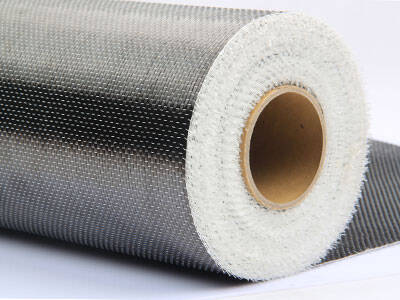
High strength, unidirectional carbon fiber wrap pre-saturated to form a carbon fiber reinforced polymer (CFRP) wrap used to strengthen structural concrete elements.

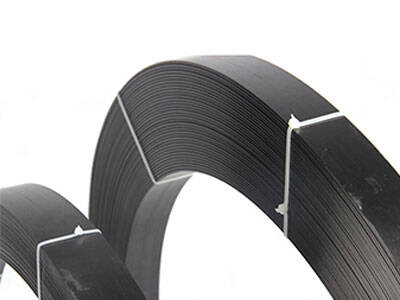
High strength carbon fiber reinforced polymer (CFRP) strip / laminate / plate for structural strengthening and concrete repair

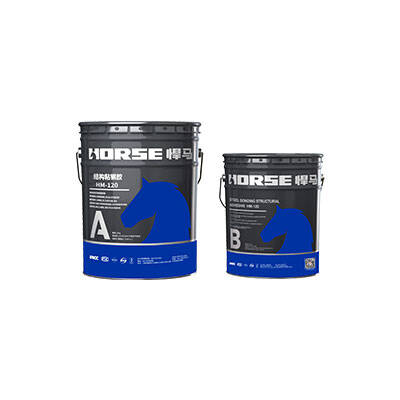
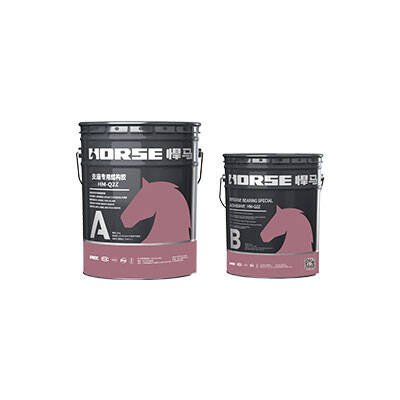
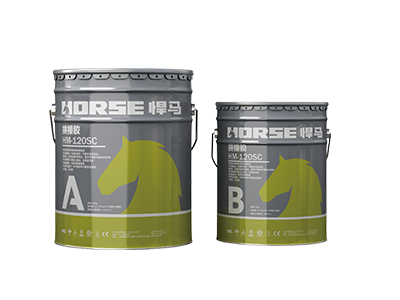
Two-component epoxy modified epoxy structural strengthening adhesive for bonded steel plate to concrete
